
US wholesale prices unexpectedly declined in June, offering fresh signs that inflationary pressures are easing, although renewed geopolitical tensions in the Middle East threaten to reverse the recent improvement in energy costs.
Data released by the Bureau of Labor Statistics on Wednesday showed the producer price index (PPI), which measures prices received by producers for their goods and services, fell 0.3% in June on a seasonally adjusted basis.
Economists surveyed by Dow Jones had expected the index to remain unchanged during the month.
On an annual basis, producer inflation stood at 5.5%, reflecting slower price growth despite remaining well above the Federal Reserve’s long-term inflation target.
Excluding the more volatile food and energy categories, core PPI increased 0.2% in June, below forecasts for a 0.3% rise.
Energy prices drive the decline
The biggest contributor to the monthly decline was a sharp fall in goods prices, which dropped 1.4%, marking the largest decrease since July 2022.
Lower energy costs played the dominant role, with prices for energy products falling 6.4% during the month.
Wholesale food prices also declined 0.6%, while services prices rose 0.2%.
According to the Bureau of Labor Statistics, nearly two-thirds of the decline in final demand goods prices was linked to gasoline, which plunged 12%.
Prices also fell for diesel fuel, jet fuel, crude petroleum, fresh vegetables excluding potatoes, and thermoplastic resins and materials.
Some categories, however, continued to register increases. Plastic products rose 1.6%, while residential electricity and potato prices also moved higher.
Softer inflation boosts market sentiment
The weaker-than-expected producer inflation data followed similarly soft consumer inflation figures released a day earlier, strengthening investor optimism that underlying price pressures are gradually cooling.
Mohamed A. El-Erian, economist and Rene M. Kern Professor of Practice at the Wharton School, said the figures were significantly below market expectations.
“Just like yesterday’s CPI, US PPI inflation came in significantly softer than consensus forecasts, across the board,” El-Erian said.
He noted that headline producer inflation slowed to 5.5% annually while the core rate eased to 4.7%.
“These much better-than-expected figures are set to boost equities and further temper market expectations for upcoming interest rate hikes,” he added.
US stock futures moved higher following the report.
S&P 500 futures gained about 0.3%, while Nasdaq 100 futures advanced roughly 0.6%, supported by strength in semiconductor stocks.
Oil rebound clouds the inflation outlook
Despite the encouraging inflation data, energy markets have started moving higher again following renewed military escalation between the United States and Iran.
The ceasefire between the two countries collapsed last week after commercial tankers came under attack in the Strait of Hormuz, leading to fresh military strikes and renewed concerns over global oil supplies.
The United States also reimposed a naval blockade of Iran, helping push crude prices to their highest levels in four weeks.
West Texas Intermediate crude rose 0.6% to trade above $79 per barrel, while Brent crude gained 0.7% to move above $85.
US Central Command said further strikes had been launched against Iranian targets, stating the operations were intended to weaken military capabilities used in attacks on commercial shipping.
Federal Reserve outlook remains cautious
Before the PPI release, economists had expected the Fed’s preferred inflation gauge, the core personal consumption expenditures index, to rise 0.2% in June after increasing 0.3% in May, bringing annual core PCE inflation down to 3.3% from 3.4%.
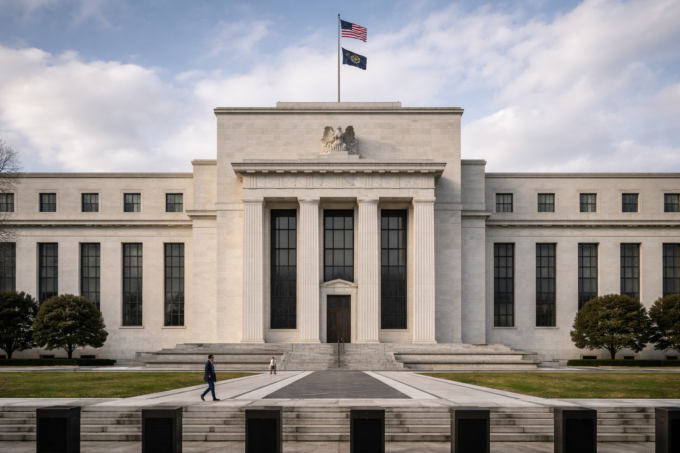
Financial markets continue to expect the Federal Reserve to leave interest rates unchanged at 3.50%-3.75% at its upcoming meeting, although traders still see the possibility of another rate increase in September.
Fed Chair Kevin Warsh reiterated on Tuesday that the central bank has “no tolerance for persistently elevated inflation,” underscoring policymakers’ commitment to bringing inflation closer to the 2% target.
The post US wholesale prices fall unexpectedly in June driven by lower energy costs appeared first on Invezz